
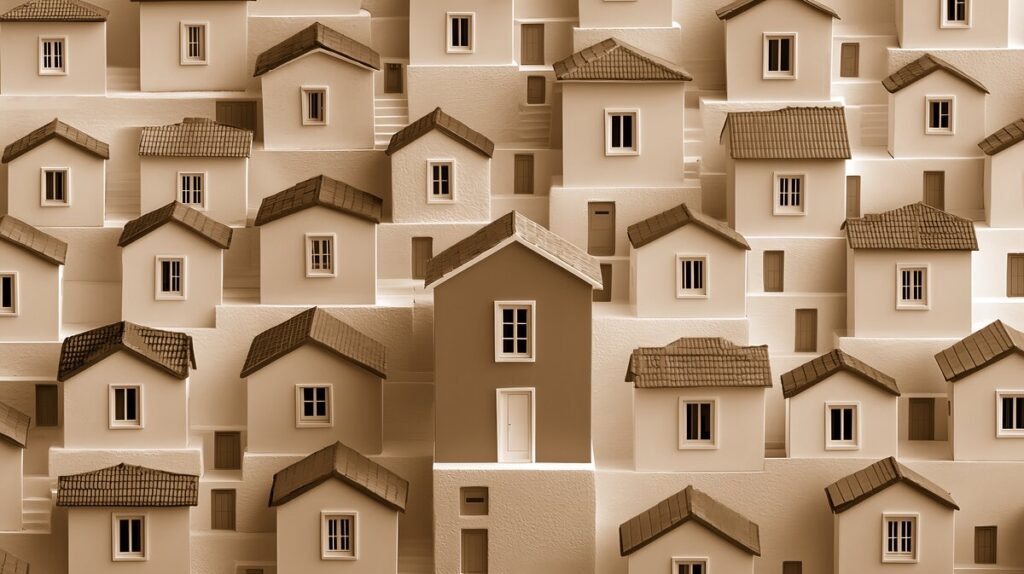
Utica, New York, is a city defined by its neighborhoods—each with distinct roots, stories, and characters. Tucked between the pulse of downtown and the calm of residential streets lies Sherman Gardens, a neighborhood whose history runs deep and whose sense of community remains strong. From its origins in the post-war years to the proud multicultural enclave it is today, Sherman Gardens reflects the resilience and warmth of Utica itself.
The Origins of Sherman Gardens
Sherman Gardens traces its beginnings back to the mid-20th century, during a period of tremendous urban growth in Utica. After World War II, the city experienced a surge in population as returning veterans settled down and started families. To accommodate this demand, city planners turned their sights to the east end, just beyond Albany Street. Carved out of what were once open fields, fruit orchards, and the far reaches of Mill Gate, the area became a haven for those seeking a new start.
The neighborhood’s name honors General William Tecumseh Sherman, a nod to American history and a tradition throughout Utica of naming streets and areas after notable military figures. Sherman Drive, the main boulevard cutting through the heart of the neighborhood, not only reflects this legacy but has also become the social backbone of the community.
Key Historical Milestones
Over the decades, Sherman Gardens has witnessed pivotal changes that have shaped its unique identity:
- 1950s Expansion: The neighborhood’s foundational streets—Sherman Drive, Fieldstone Road, Willowwood Parkway, and Clementian Street—sprouted new, modest homes, each with tidy lawns and room for growing families.
- 1960s Community Growth: Elementary schools such as Martin Luther King Jr. Elementary became central meeting points, fostering both learning and lifelong friendships.
- 1970s Diversity Movement: New waves of immigrants from Eastern Europe and later Southeast Asia brought fresh traditions, foods, and celebrations to Sherman Gardens’ streets.
- 1990s Revitalization: Civic groups and local churches, like St. Basil’s Orthodox Church on Willowwood Parkway, led large-scale cleanups and revitalization projects, sparking renewed pride in the neighborhood.
- Present Day: Sherman Gardens is now known for its strong neighborhood watch groups, vibrant community gardens, and annual block parties, making it a model of unity and resilience.
Landmarks and Notable Buildings
Though Sherman Gardens is primarily residential, what gives it character are the small but meaningful landmarks scattered throughout its boundaries:
- Sherman Park: At the corner of Sherman Drive and Fieldstone Road, Sherman Park is the heart of community life. Children’s laughter echoes from the playground, basketball courts buzz with games on warm evenings, and neighbors picnic beneath the stately maples.
- St. Basil’s Orthodox Church: Located on Willowwood Parkway, the striking onion-domed St. Basil’s is both a spiritual center and a host of local events such as the annual summer festival.
- Martin Luther King Jr. Elementary School: More than just a school, this institution is a gathering point, a voting site, and a hub for after-school programs that weave memories into the fabric of Sherman Gardens.
- Historic Homes: A stroll down Clementian Street reveals original 1950s ranch homes, some lovingly preserved, with decorative stone accents. Many still retain their original architectural details, telling stories of decades past.
Evolution and Enduring Spirit
Sherman Gardens’ evolution can be read in the faces of its residents and the shifting architecture of its quiet avenues. Where children once played stickball in the streets, generations now gather for multicultural celebrations that reflect the neighborhood’s changing demographic.
- A Community of Neighbors: The annual “Gardens Gathering” on Sherman Park’s green draws everyone together – longtime residents and newcomers alike – with shared meals, music, and stories. Neighbors form babysitting co-ops, care for elderly residents, and maintain shared green spaces.
- Diversity as a Strength: Today, families from Bosnia, Vietnam, Myanmar, and Somalia call Sherman Gardens home, enriching the neighborhood’s palate with new flavors and sounds. The scents of homemade pierogi, pho, and sambusas waft from open windows, weaving a new cultural tapestry.
- Steadfast Institutions: Organizations like the Sherman Gardens Neighborhood Association advocate for safety, funding for maintenance, and beautification projects, ensuring the area remains both safe and welcoming.
Streets, Parks, and Gathering Places
Location is everything, and in Sherman Gardens, specific streets and venues carry deep meaning:
- Sherman Drive: The leafy main thoroughfare, lined with flowering pear trees and glowing streetlamps, welcomes residents home each night.
- Fieldstone Road: Known for the grandest Halloween decorations every October and impromptu block parties in the summer.
- Willowwood Parkway: Both a residential artery and the site of weekend farmers markets during the growing season.
- Clementian Street: Quiet, tree-lined, and dotted with the original homes of Utica’s builders and first responders.
What Makes Sherman Gardens Special
To live in Sherman Gardens is to know your neighbors, to be part of a shared history that grows richer with each passing year. From picnics at Sherman Park and bells ringing at St. Basil’s, to the laughter of children at Martin Luther King Jr. Elementary, the neighborhood exudes a sense of warmth and belonging.
Residents cherish Sherman Gardens not just for its history, but for how it continues to evolve—each generation adding something unique while respecting the roots that run deep. In many ways, Sherman Gardens is Utica in microcosm: resilient, welcoming, and always looking ahead while honoring the past.
Whether you’re walking the shaded avenues or joining a community festival, one thing becomes clear: Sherman Gardens isn’t just a place on the map – it’s a community with heart, story, and enduring pride.